
May is the most significant month for Russian streaming. Victory Day (May 9) anchors a programming window of war films, Soviet-era classics, and patriotic historical productions. Okko and Kinopoisk both build May packages around this date. Beyond the seasonal content, domestic original production has accelerated and May 2026 is the strongest month of the year so far.
The Post-2022 Russian Streaming Landscape
When Netflix and Disney+ suspended Russian operations in March 2022, Okko and Kinopoisk inherited a subscriber base with nowhere else to go. Four years later, both platforms are genuinely self-sufficient — original production budgets are at historical highs. The quality gap with Western prestige television has narrowed, particularly in thriller and crime genres. Chernobyl (HBO) on Kinopoisk remains the most-watched licensed international title on any Russian platform.
Victory Day Season — War Film Catalog
Kinopoisk programs its full Soviet war film archive around May 9. Come and See (1985) — Klimov's devastating WWII film — is the must-watch. Ivan's Childhood by Tarkovsky is also available. Stalingrad (2013) is Kinopoisk's modern war epic pick. Night Watch and Brother are IVI's genre alternatives for viewers who want post-Soviet rather than wartime Russia. Hard to Be a God, Aleksei German's final film, runs in the art house sidebar.
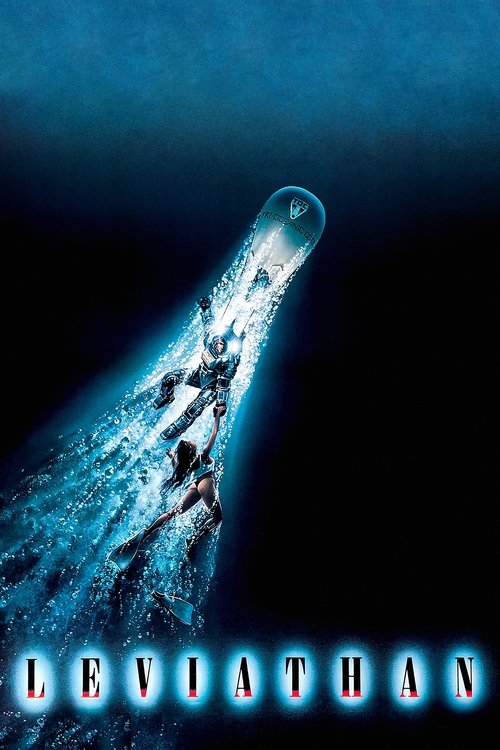
Leviathan
Zvyagintsev's Cannes Best Screenplay winner. A man fights the state over his land in northern Russia. Devastating and essential. Kinopoisk.
Kinopoisk
Loveless
Zvyagintsev's 2017 Cannes Jury Prize winner. A missing boy, two parents who can't stop fighting. One of the best Russian films of the decade. Kinopoisk.
Kinopoisk
Stalingrad (2013)
Bondarchuk's IMAX war epic. The 1942 battle through five soldiers' stories. Russia's biggest domestic war film production. Kinopoisk.
Kinopoisk
Hard to Be a God
Aleksei German's 13-year production. A medieval alien world shot in relentless black-and-white filth. Demanding but extraordinary. Kinopoisk.
Kinopoisk
Chernobyl (HBO)
Craig Mazin's HBO mini-series. Five episodes covering the 1986 disaster with accuracy and real horror. Still the most-watched international title on Kinopoisk.
Kinopoisk
Brother (Brat)
Balabanov's 1997 post-Soviet thriller. Danila Bagrov in St. Petersburg with a gun and a personal code. The entry point to Russian genre cinema. IVI.
IVI
Night Watch
Bekmambetov's 2004 supernatural Moscow thriller. The Others and the Night Watch at war. Russia's blockbuster era began here. IVI.
IVI
Compartment No. 6
2021 Cannes Grand Prix. A Finnish student on a Russian train. Small scale, large emotional payoff. IVI.
IVI
Petrov's Flu
Serebrennikov's surreal 2021 film. A sick mechanic drifts through a hallucinatory Yekaterinburg day. Singular Russian cinema. Kinopoisk.
Kinopoisk
The Return
Zvyagintsev's 2003 Venice Golden Lion debut. A father's return triggers a journey that doesn't end well. Kinopoisk.
Kinopoisk
Elena
Zvyagintsev's 2011 quiet social thriller. A wife's act of class warfare, measured and precise. Cannes Un Certain Regard. Okko.
Okko
Hipsters (Stilyagi)
Todorovsky's 2008 Soviet-era musical about youth nonconformity. Colorful, funny, genuinely moving. Kinopoisk's most fun catalog pick. Kinopoisk.
Kinopoisk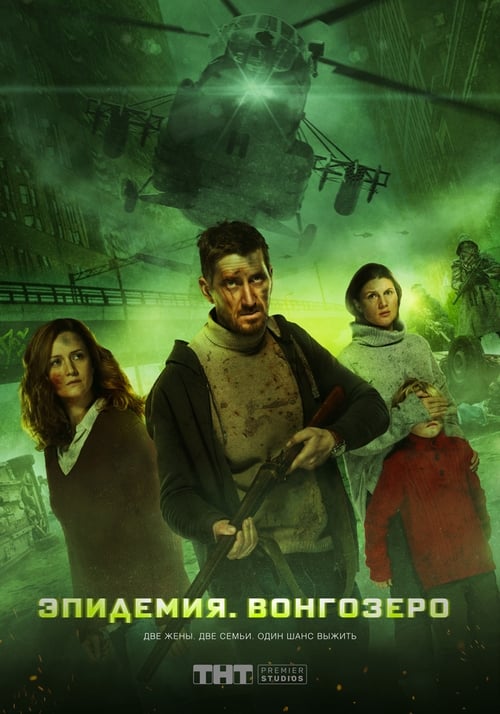
To the Lake (Epidemiya)
Russia's pandemic survival series. A Moscow family flees a collapsing city. Netflix acquired this globally — it holds up well as genre television.
Netflix
The Major
Bykov's 2013 crime thriller. A police officer's accident spirals into a cover-up that corrupts everything around him. Okko.
Okko
Trigger (Russian Series)
Kinopoisk's psychological drama original. A controversial therapist, a volatile client list, a building crisis. Strong May pick for drama audiences.
KinopoiskThe Russian streaming market in 2026 is an isolated but functioning ecosystem. Okko and Kinopoisk have both matured into capable platforms with growing original budgets. For film industry observers, Russia represents the clearest case study in what happens when a large market loses Western streaming access simultaneously. The answer: domestic production fills the gap faster than expected, and the catalog of existing Russian and Soviet cinema turns out to be deep enough to sustain two major platforms.